Search tyres



































































22 May 2026
Tyre tips, deals and updates in your inbox
EV ute tyres. Worth the weight?
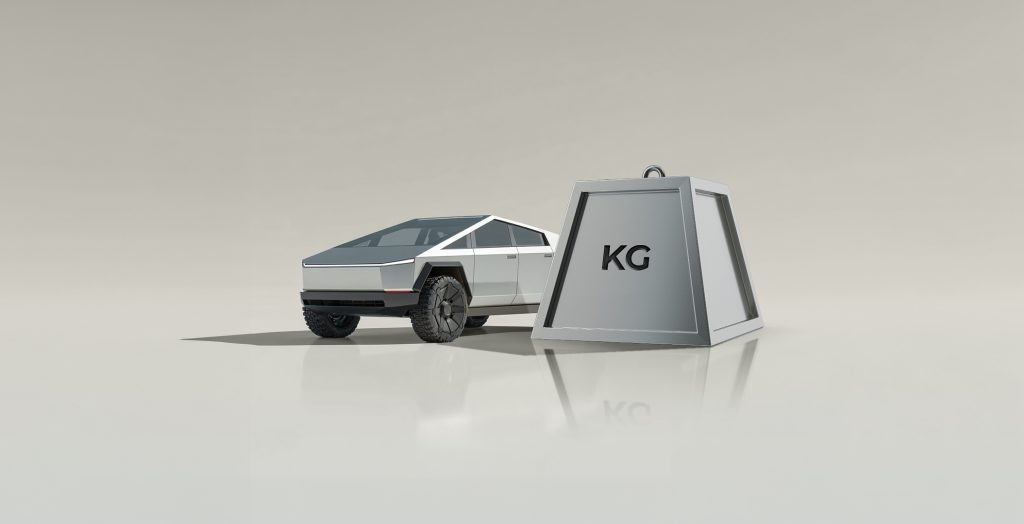
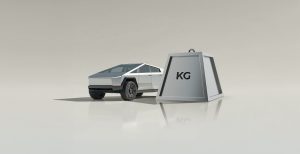
If you ask our expert tyre team, they’ll tell you it’s no coincidence that the latest crop of larger EV ute and truck designs mirror the iconic trapezoidal weights from the classic Warner Bros cartoons.
Thanks to their massive batteries, these cars are heavy!
The Tesla Cybertruck weighs more than 3,100kg in some configurations, while more budget-friendly vehicles like the BYD Shark tip the scales at around 2,700kg once loaded with passengers, gear and accessories. By comparison, many traditional diesel utes still sit comfortably below the 2,200kg mark
Add instant electric torque into the equation, and it’s no wonder tyres on larger EVs are being subjected to noticeably faster wear and tear.
Latest research suggests EV tyres can wear out as much as 20% faster than tyres fitted to comparable ICE (internal combustion engine) vehicles. That’s because tyres are being asked to manage more weight, more acceleration force, and often more aggressive regenerative braking.
And unlike a petrol or diesel engine that builds power progressively, electric motors deliver maximum torque instantly. Brilliant for traffic-light drag races. Less brilliant for tyre longevity.
That extra load doesn’t just affect tread wear either. According to Continental, heavier vehicles generate more heat through the tyre carcass, place greater stress on sidewalls, and can increase braking distances if tyres aren’t specifically engineered for EV duty.
Manufacturers have responded quickly.
Tyre companies now engineer EV-specific tyres with reinforced sidewalls, stiffer internal construction, sound-deadening foam, and specialised tread compounds designed to increase lifespan, lower rolling resistance and maximise battery range.
But these tyres are often more expensive — typically around 15–30% more costly than equivalent tyres designed for conventional ICE vehicles.
The latest Hankook iON range, for example, is claimed to deliver up to 25% longer tyre life on EVs compared with conventional tyres, while also improving rolling resistance and reducing cabin noise.
Meanwhile, Continental says its EV-focused tyre technology improves load capacity and efficiency while helping offset the additional stress created by battery weight and instant torque delivery.
So are EV-specific tyres worth the premium price?
In truth, it depends on the vehicle and how you drive it.
If you own a heavier EV or plug-in hybrid and regularly enjoy the instant acceleration these vehicles are famous for, EV-specific tyres can absolutely make sense. They’re engineered to cope with the unique demands electric vehicles place upon them, and in many cases they’ll offer quieter road noise, improved efficiency and better long-term durability.
But if you’re replacing tyres on a lighter EV driven mostly around suburbia, a high-quality conventional tyre with the correct load rating may still perform perfectly well.
Either way, one thing is becoming increasingly clear: as cars become heavier, tyres are becoming more sophisticated — and more difficult to choose important than ever.
But don’t stress! The team at Mobile Tyre Shop can help you make sense of the options. From EV-specific tyre technology to load ratings, tread life and value for money, our experts can recommend the right tyre for the way you actually drive.
Explore our full range and compare options here.
Subscribe to our newsletter



 Great News
 Please note