Search tyres









































































04 Aug 2026
Tyre tips, deals and updates in your inbox
Lowering the speed limits. Surely there’s another way.
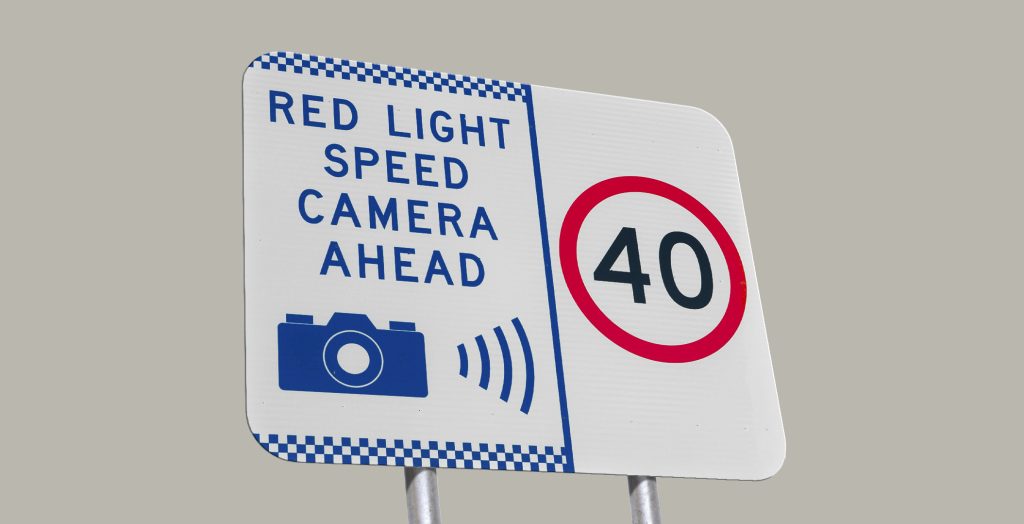
Victoria’s often been referred to as the ‘nanny state’, and whether this is fair or not, if you’ve driven anywhere around Melbourne in the past few years, you’ve probably noticed a pattern.
That road you drove at 60 km/h for twenty years? It’s now 50. The shopping strip you remember at 50? That’s become 40. and now some residential streets are even 30 km/h.
Discussions also continue around Australia about reducing higher speed limits on some roads.
The Hume Highway that connects the state’s capital to Sydney now has numerous 80km/h zones.
There’s seems to be no end to the changes, or limit to the umber of speed cameras accompanying them.
So is this a safety measure or cash grab?
Depending on who you ask, these changes are either a long-overdue road safety initiative or another example of governments making life harder for motorists.
The truth probably sits somewhere in the middle.
There is strong evidence that reducing speed lowers crash severity. But here’s the question almost nobody asks:
If we’re serious about road safety, why do we spend so much time talking about speed—and almost no time talking about tyres?
Because while speed limits make headlines, tyres determine whether your car actually stops.
The Victorian Government isn’t wrong. A pedestrian struck at 30 km/h has a significantly greater chance of surviving than one struck at 40 km/h, which is why more 30 km/h zones have appeared around schools and activity centres.
Likewise, reducing speeds from 100 km/h to 80 km/h substantially reduces crash energy.
But speed is only one part of the equation.
According to wet braking tests conducted by AutoBild and reported by TyreHub, a vehicle travelling at 80 km/h stopped in 25.8 metres on new tyres, but required 36.2 metres on tyres worn to the legal minimum of 1.6 mm. That’s an extra 10.4 metres—roughly the length of two family sedans.
At 120 km/h the gap becomes extraordinary: 59.1 metres on new tyres versus 154.9 metres on tyres at the legal minimum.
Those figures highlight a simple truth: tyres matter.
Australian law permits tyres down to 1.5 mm tread depth, but many tyre manufacturers recommend replacement once tread falls below around 3 mm for wet-weather performance.
You can read more the effects of tyre wear here.
But the simple truth is that road safety shouldn’t become a contest between lower speed limits and better tyres.
Responsible driving means respecting speed limits, driving to the conditions, avoiding distractions, maintaining correct tyre pressures and replacing tyres before they become dangerously worn.
Whether you support or oppose Victoria’s changing speed limits, there is one fact that everyone can agree on.
When you hit the brake pedal, your tyres have the final say.
Subscribe to our newsletter







 Great News
 Please note